
Crowns and Bridges: A Comprehensive Guide to Restoring Your Smile's Strength and Beauty
Dental crowns and bridges are two of the most effective and popular restorative procedures used to repair and replace damaged or missing teeth. A crown is essentially a custom-made cap that is placed over a damaged tooth to restore its original shape, size, strength, and appearance. A bridge, on the other hand, is a fixed dental appliance used to fill the gap created by one or more missing teeth. At Lodha Dental Clinic, we specialize in crafting high-quality, long-lasting crowns and bridges. Our MDS Prosthodontist, Dr. Mitesh Lodha, has extensive expertise in designing and fitting these restorations to provide patients in Kalyani Nagar, Pune, with smiles that are not only beautiful but also fully functional and durable.
What are Dental Crowns and Bridges?
Dental Crowns: A dental crown, often referred to as a "cap," is a custom-fabricated restoration that is permanently cemented onto a prepared tooth. Unlike a simple filling, a crown covers the entire visible portion of the tooth, from the gum line up. It acts as a protective shield, encasing the tooth to restore its integrity and prevent further damage. Crowns are designed to match the shape, size, and color of your natural teeth, ensuring a seamless and natural-looking result.
Dental Bridges: A dental bridge is a fixed dental appliance used to "bridge" the gap created by one or more missing teeth. It consists of an artificial tooth (or teeth) called a pontic, which is held in place by dental crowns on the adjacent natural teeth (known as abutments) or on dental implants. The crown on each abutment tooth provides strong support, holding the pontic securely in place. Bridges are a reliable, non-removable solution that restores your ability to chew, speak, and smile with confidence.

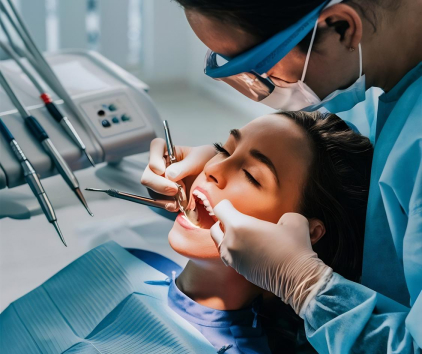
Why are Crowns and Bridges Needed?
Crowns and bridges are essential for a wide range of dental issues, serving both restorative and cosmetic purposes.
A crown is typically needed to:
- Restore a Fractured or Worn Tooth: For teeth that are cracked, chipped, or have been worn down from grinding (bruxism), a crown restores the tooth's shape and integrity, preventing further deterioration.
- Secure a Tooth After Root Canal Treatment: A tooth that has undergone a root canal becomes brittle because its living tissue has been removed. A crown is essential to reinforce the tooth's structure and protect it from fracturing under the forces of chewing.
- Improve Aesthetics: Crowns are an effective way to cover severely discolored, stained, or misshapen teeth, providing a uniform and appealing appearance.
- Support a Dental Bridge or Implant: Crowns are a fundamental component of a dental bridge, providing the necessary support. They are also used to top a dental implant, creating a natural-looking replacement tooth.
A bridge is needed to:
- Restore Missing Teeth: It is the ideal solution for replacing one or more consecutive missing teeth.
- Prevent Shifting of Teeth: When a tooth is missing, the adjacent teeth can shift and tilt into the empty space, altering your bite alignment. A bridge holds the surrounding teeth in their proper position, preserving the integrity of your bite.
- Maintain Facial Structure: Missing teeth can lead to a collapse of the facial structure, causing a sunken appearance. A bridge helps to maintain the shape of your jaw and face.
- Restore Chewing and Speaking Ability: A gap from a missing tooth can make it difficult to chew food and can affect your speech. A bridge restores both function and confidence.
What Problems Can Crowns and Bridges Treat?
These restorations are the definitive solution for a variety of dental problems, including:
- Teeth with extensive decay that are too weak for a regular filling.
- Fractured or broken teeth due to trauma or wear.
- Teeth that have become brittle after a root canal.
- Severely stained or misshapen teeth that need a cosmetic makeover.
- The loss of one or more teeth due to trauma, decay, or gum disease.
Types of Crowns and Bridges and Their Materials
Lodha Dental Clinic offers a variety of materials for crowns and bridges, each with unique advantages:
Porcelain Fused to Metal (PFM): This is a durable and time-tested option. It combines the exceptional strength of a metal base with the natural look of a porcelain outer layer. While strong, a thin, dark line may be visible at the gum line over time.
All-Ceramic (Porcelain): These crowns are the premium choice for front teeth. They offer the most natural and lifelike appearance, as they mimic the translucency of natural teeth and reflect light in the same way. They are also ideal for people with metal allergies.
Zirconia: Known for its exceptional strength and biocompatibility, zirconia is a modern and highly popular choice. It is a metal-free option that provides outstanding durability, making it suitable for molars, while still offering a very natural, tooth-colored appearance. Zirconia is highly resistant to chipping and fracturing.
The Journey to a Restored Smile at Lodha Dental Clinic:
The process for getting a crown or a bridge at our Kalyani Nagar clinic is a meticulous, step-by-step procedure designed for your comfort and long-term results.
Step 1: Initial Consultation and Preparation
During your first visit, our specialist, Dr. Mitesh Lodha, will conduct a thorough examination and take X-rays to assess the tooth. The tooth (or teeth) is then prepared by carefully removing a small amount of enamel to make room for the crown or bridge. This is done with great precision to preserve as much of your natural tooth structure as possible.
Step 2: Impression and Temporary Restoration
After preparation, a precise impression or a digital scan of your teeth is taken. This impression is sent to a dental lab where your custom crown or bridge will be fabricated to our exact specifications. To protect the prepared tooth and maintain aesthetics while the permanent restoration is being made, a temporary crown or bridge is placed.
Step 3: Final Fitting and Cementation
In a follow-up appointment, your temporary restoration is removed, and your custom-made crown or bridge is carefully placed. Dr. Lodha will meticulously check the fit, bite, and color to ensure it is absolutely perfect. The restoration is then permanently cemented into place.
Step 4: Aftercare and Maintenance
After the procedure, you will receive detailed instructions on how to care for your new crown or bridge. We will also schedule follow-up appointments to monitor your restoration's health and ensure its longevity.
Why Choose Crowns and Bridges @ Lodha Dental Clinic?
Choosing Lodha Dental Clinic for your crown or bridge treatment means choosing exceptional quality and expertise. Our MDS Prosthodontist, Dr. Mitesh Lodha, is a specialist in this field, with three additional years of specific training in the design, fabrication, and fitting of complex dental restorations. His advanced training ensures that your crown or bridge will not only look flawless but also function perfectly, providing a long-lasting and comfortable solution. We use the highest quality materials and a patient-centric approach to ensure every step of your journey is smooth and successful.
How Much Does a Crown or Bridge Cost in Pune?
The cost of crowns and bridges in Pune varies depending on the type of material and the number of teeth involved. A single dental crown can cost anywhere from ₹4,000 to ₹15,000 or more, depending on the material (e.g., PFM vs. Zirconia). The cost of a dental bridge can range from ₹6,000 to ₹30,000 or more, depending on its size and complexity. The final cost is determined during your initial consultation after we discuss your needs and a suitable material is chosen.
Benefits of Crowns and Bridges
- Restoration of Function: They restore your ability to chew and speak properly, which can be severely impacted by damaged or missing teeth.
- Enhanced Aesthetics: Crowns and bridges are custom-made to match the color, shape, and size of your natural teeth, beautifully restoring your smile.
- Durability and Longevity: With proper care and oral hygiene, crowns and bridges can last for 10 to 15 years or even longer, providing a reliable, long-term solution.
- Prevention of Shifting Teeth: A bridge fills the gap left by a missing tooth, preventing the surrounding teeth from shifting and preserving your bite alignment.